Exploring Spaces
Our task was to take 2 photographs within a 5 minute walk from the classroom that differ from each other:
a) Image 1 is of something you find dull but photographed
to make it look as exciting as possible
where as
b) Image 2 is something you find engaging visually
but recorded with your camera to present it as unappealing.

Image 1
To make this photo look unappealing i decided to make it blurry, as it is naturally quite pretty and appealing.

Image 2
This photo was naturally ugly and unappealing and not something you would usually photograph, but with the right angle, and cropping you can make it into something truly amazing.
VISUAL ANALYSIS Minor White
Formal/Visual Elements
This photo is taken by Minor White it’s called windowsill daydreaming, it was taken in Rochester in New York, July 1958.
Minor White was an American photographer, born 9th July 1908. He combined an intense interest in how people viewed and understood photographs with a personal vision that was guided by a spiritual philosophy. Ansel Adams offered White a position at the California School of Fine Arts in the newly formed photography department. White accepted. During his time there, he continued to use his skill with landscape photography. He was influenced by the landscapes of national parks and took many of his iconic photographs in parks, he took photos all the way until his death, on the 24th June 1976.
Visual Analysis

Takeaway Point
Minor White does all of his photography in monochrome, this shows that colour doesn’t play a big role in making a photo look interesting, with his photos being in black and white, it really opens your eyes to how the different shades of black, white and grey look. Monochrome also helps draw your eyes to the little missable yet intriguing features of somethings in the photograph.


VIEWPOINTS
The task was to think about how to exploit the various options you have for altering the viewers’ perception of the subject through your chosen viewpoint. You could consider:
-the angle of the camera – level or tilted, pointing up, down or straight on
-the position of the camera – held below or above your ‘normal’ height
-the position of your body – lying, sitting, standing

this photo was taken from the bottom of a drainpipe looking up, this photo really draws your eyes to the texture of the drain, you can see the water droplets on it.

similarly, this photo was also taken from below the object, the netball post interested me, i liked the way that the net itself is a similar shape to the sun, and the placement is where the sun should be.
Ming Thein

This photo taken by Ming Thein, it shows that by taking a photo from below the object, can show parts to the object you wouldn’t have seen unless all photos were taken at the same angle.

This is some more of Ming Thein’s work, in this photo he uses angles and lighting to get the desired effect he wanted, the shapes seen are also shadowed onto the other side of the object.
In the future i endeavour to use more angles and interesting dynamic shapes in my photography, to make it more interesting and show multiple sides to the objects, and also give them almost a 3D vibe.
Refined Photos

Ming Thein inspired me to take this photo, the angle shows different shapes overlapping, making the 2D photo, look like a 3D photo.
If i was to take this again, i would focus on a smaller section, so it would intensify the dynamic shapes.

This photo interests me, because it is quite deceiving, the shadows make shapes in the background, so you don’t really know what the real subject of the photo is.
next time i take photos like this, i would take them from a lower angle so that more of the object is in shot.
Straight Photography
Modernist Photography started in 1839, this is a type of photography that produces work with a sharp focus and an emphasis on formal qualities, exploiting, rather than obscuring, the camera as an essentially mechanical and technological tool, famous photographers known for this are Irving Penn, Man Ray, George Platt Lynes and Edward Steichen.
This is some of their work:

This is work by Irving Penn, i like this photo because of the contrast between the monochrome and the small amount of colour.
The colours also are really different from each other, so they are all still contrasting each other, also with the background being black, it makes the colours brighter and stick out more.
pictorial vs modernist
Most pictorial photography looks very similar to paintings and older looking sketches, where as modernist photography is a term used for photographers who focused mainly on sharp features within a photo, and also creating an emphasis on exploiting, rather than obscuring, the camera as an essentially mechanical and technological tool.

This is an example of pictorial photography, it is more blurry than modernist photography, so the finer details can’t really be seen, also all the photos are in black and white, and with it being blurry it makes it more difficult to differentiate some objects from another.
The task was to think about how to exploit the various options you have for altering the viewers’ perception of the subject through your chosen viewpoint. You could consider:
-the angle of the camera – level or tilted, pointing up, down or straight on
-the position of the camera – held below or above your ‘normal’ height
-the position of your body – lying, sitting, standing
This is some more of Minor White’s work.
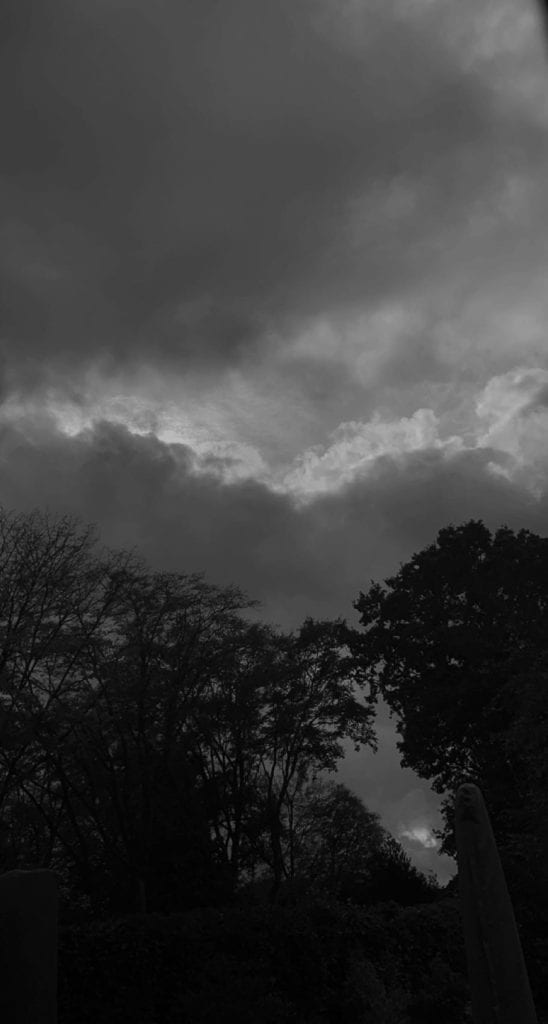


These are some of my photos for straight photography, i like this topic a lot because the photos seem really simple yet they are very bold and the object stands out from the background.
whole project evaluation
Overall this type of photography was very difficult to get my head around, the angles i had to take the photograph from was either higher or lower than that in the photos i had taken, after lots of attempts i manages to get the angle straight on for my refined photos.